Origami comes from the Japanese words ori, meaning "folding", and kami, meaning "paper." It is the art of paper folding, which is often associated with Japanese culture. In modern usage, the word "origami" is used as an inclusive term for all folding practices, regardless of their culture of origin. The goal is to transform a flat, square sheet of paper into a finished sculpture by applying folding and sculpting techniques. Modern origami practitioners generally discourage the use of cuts, glue, or markings on the paper. Origami folders often use the Japanese word kirigami to refer to designs that use cuts.
This wonderful piece is this month's featured lesson
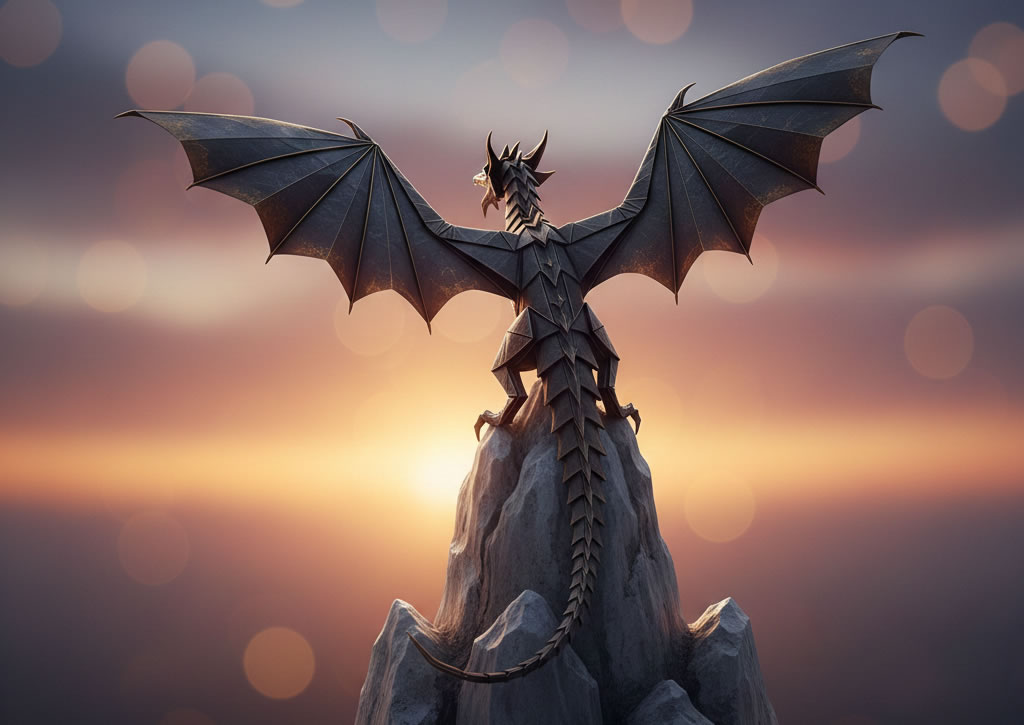
This lesson is taught by no other than the head of the Murakami House of Origami. It contains 5 mini videos on how to complete each step of the process. The Murakami House has been using ancient techniques that have been handed down within the family since the Endo period. Lessons:
This lesson contains bonus links to suppliers for materials used in this tutorial.
$25
You will get immediate and lifetime access.
Learn only from the masters of origami
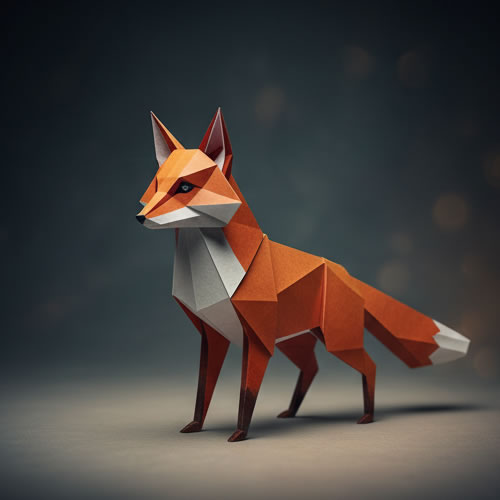
In Japan, foxes symbolize intelligence associated with the Shinto spirit Inari. This particular origami is challenging to make but produces one of the finest examples of the Kitsami Origami style.
9/10 Skill Level
Bloodhounds have been part of humankind, especially in hunting. In this lesson, we will learn to use two monochromatic paper colors to produce a simple but effective Tsumisiru effect.
5/10 Skill Level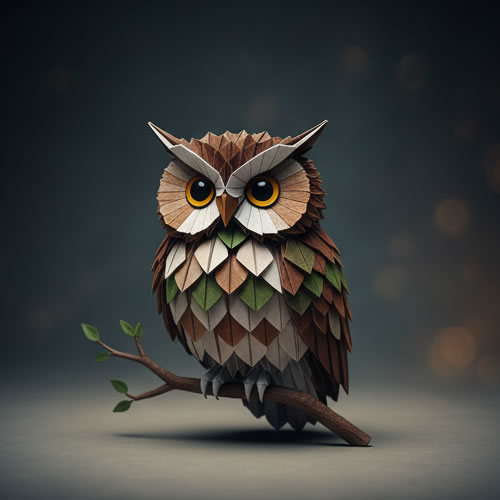
Owls have always been part of lore, and it isn't surprising that we also find them very much in origami. This lesson is famous for combining two different pieces into one without the use of glue or adhesive.
7/10 Skill Level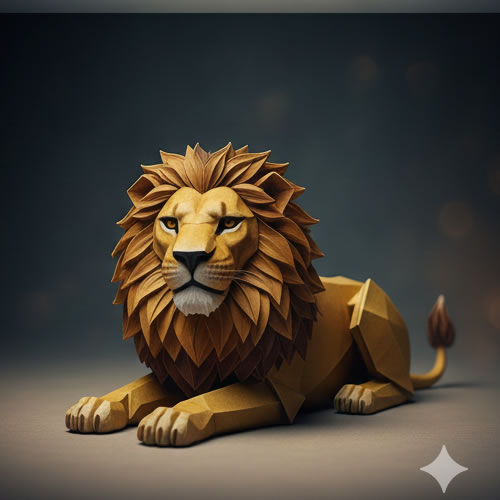
The king of the animal world finds its place among important origami creations. This particular example utilizes curled tips, popularized by the renowned origami artist Shintzu Omahari..
8/10 Skill Level